

BUDDHISM INTO THE YEAR 2000 : ค้นหาหนังสือธรรมะ หน้า 59 / 135
หน้าหนังสือทั้งหมด
32
Metaphors of Sensual Indulgence
Commentorial Metaphors: Indulgence in sensual pleasures:
1. A pig content to wallow in dung: Indulging in sensual pleasures is rather like a pig, which spends all its life wallowing in the warm mud an
This text delves into various metaphors that depict the indulgence in sensual pleasures as detrimental and unfulfilling. Comparing such indulgence to a pig in dung, a rotting corpse, and a dog with bo
48
Understanding Dhammacakkapavattana Sutta
mon wouldn't have been called 'Dhammacakkapavattana Sutta' if only the Four Noble Truths or Dependent Origina-
tion or the Factors of Enlightenment were important — thus by the name of the sermon, we
In the Dhammacakkapavattana Sutta, the Buddha presents interconnected teachings that highlight the importance of the Four Noble Truths, Dependent Origination, and the Factors of Enlightenment. The ser
63
The Suffering of Internment in the Womb
1.1 The Suffering of Internment in the Womb
The foetus is seated upon the faeces of the mother passing through her intestines and has the food being digested in her stomach as a pillow. The foetus is
This text delves into the severe distress endured by a foetus during gestation, likening conditions in the womb to a form of hell due to physical confinement and sensory overload. The foetus experienc
65
Aspects of Suffering in Birth
and stabbed with razor-sharp knives. This fifth aspect of suffering at birth is known as 'gabbha nikkhamana mūlaka dukkha'.
1.6 The Suffering of Curtailed Life
From the moment the baby leaves the womb
This text delves into the profound aspects of suffering experienced from the moment of birth. It highlights 'gabbha nikkhamana mūlaka dukkha', which refers to the initial suffering at birth, and exami
72
The Four Enemies: Understanding Suffering
with cool shade and sparkling waterfalls. The first enemy
offers to take the guard to show him the other forest. Unwit-
tingly mistaking the enemy for a friend, he goes with him.
Eventually reaching t
This text discusses the metaphor of four enemies that represent the sufferings inherent in human existence: birth, aging, illness, and death. Birth is akin to the first enemy, seducing us into life, w
75
Understanding Suffering and Attachment
move those hateful things or escape from their grasp — but when we can’t it only adds to the suffering in our mind.
11. Separation from loved ones and treasured things [piyihi vipayoga dukkhā] If we a
This text delves into the various forms of suffering as described in Buddhist teachings. It highlights how separation from loved ones and possessions leads to emotional pain and how disappointment man
79
The Noble Truth of the Origin of Suffering
The Noble Truth of the Origin of Suffering
After explaining the Noble Truth of Suffering, Lord Buddha continued with an explanation of the origin of suffering. He pointed to craving as the origin of
In this teaching, the Buddha elaborates on the origin of suffering, identifying craving as the root cause. This craving for rebirth keeps beings trapped in a continuous cycle of existence, experiencin
80
The Three Forms of Craving in Buddhism
The Three forms of Craving
The Lord Buddha taught that there are three sorts of craving: craving for sense-pleasure [kāmaṭhaṇa], craving for the form realms [bhavatānha] and craving for the formless r
The Lord Buddha identified three types of craving: 1) Craving for Sense-Pleasure (kāmaṭhaṇa) signifies a longing for sensory experiences which misleads individuals into thinking happiness comes from e
82
Understanding Craving in Buddhism
knowledge of such ascetics are the Formless Brahma Realms — knowledge gained as the result of developing the formless absorptions [arûpajhâna]. Such ascetics misunderstand that being reborn in the For
This text delves into the Buddhist concept of craving, specifically how its pursuit influences rebirth and suffering. It discusses the misinterpretation by ascetics aiming for the Formless Brahmā real
83
Understanding Attachment: Lessons from the Lord Buddha
characterized by the Lord Buddha as being attached to the things we like. It is like a monkey trapped by glue in a monkey trap. Normally it sticks to the trap when it sits down, and trying to prise it
This text discusses the concept of attachment as characterized by the Lord Buddha. It compares attachment to a monkey caught in a glue trap, illustrating how initial affection transforms into deep att
133
Understanding the Levels of Absorption in Meditation
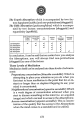
The Fourth Absorption which is accompanied by two factors: happiness [sukhα] and one-pointedness [ekaggatα].
The Fifth Absorption [pañcamaajahana] which is accompanied by two factors: one-pointedness
This text outlines the five absorptions in meditation, detailing the factors involved in each stage, including joy, happiness, one-pointedness, and equanimity. Importantly, one-pointedness is a consis
143
Understanding the Dhamma Body and the Noble Path
Dhamma Body — not with the human eye or the naked eye.
All the knowledge that brought him to Buddhahood came
by the ‘knowing’ of the Dhamma Body, not by rationale or
reasoning with the logical (hum
The Dhamma Body can only be perceived beyond the human eye, allowing the Buddha to grasp deep truths about existence. His compassion drove him to teach the Noble Path for the liberation of others, adv
144
The Components of the Eightfold Path
The Components of the Eightfold Path all arise together
When the factors of the Eightfold Path arise, they do so to-
gether — just as the elder monk Koṇḍañña, after listening
to the Dhammacakkapavatta
This text discusses the Eightfold Path, emphasizing how all eight components arise together as illustrated by the elder monk Koṇḍañña's attainment of Stream-Entry. It explains the importance of Right
147
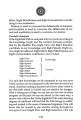
The Eightfold Path: Knowledge and Conduct in Meditation
Effort, Right Mindfulness and Right Concentration contributing to our meditation.
Wisdom is used to overcome the defilements of delusion, self-discipline is used to overcome the defilements of hatred
This text discusses the importance of Right Mindfulness and Right Concentration in meditation, as components of the Noble Eightfold Path. The Eightfold Path is divided into two areas: knowledge (Right
157
Types of Wives: Characteristics and Comparisons
in other men, looking down on her husband — even when her husband is the one to pay her dowry in the first place — having no gratitude to her husband, and even going as far as attempting to kill her h
This text explores different types of wives and their characteristics, highlighting the negative traits of a wife like an enemy, robber, and boss, and contrasting them with the positive traits of a wi
160
Abstention from Killing in Buddhism
4.1 Abstention from killing
Evil actions can be abstained from in any of the following three different ways:
1. abstention on the spur of the moment [sampattauirati];
2. abstention by having requested
This text discusses various ways one can abstain from killing, highlighting three methods: spontaneous abstention, preemptive abstention through the Five Precepts, and transcendent abstention. Illustr
171
The Transformative Journey of Animals and a Hermit
the vow that he would not go foraging any more for as long as he could not still his mind from desire.
The snake had been trodden upon by a "holy cow" and had bitten the cow, accidentally killing it.
This narrative explores the stories of various animals and a hermit who each confront their weaknesses—anger, greed, and arrogance. A snake, having killed a cow in a moment of uncontrolled anger, vows
177
The Enlightenment of the Buddha’s First Disciple
The Enlightenment of the Buddha’s First Disciple
In preaching the Dhammackakapavattana Sutta, the Buddha revealed the Thirty-Seven Factors of Enlightenment [bodhipakkhiyadhamma], the Cycle of Depende
The Buddha, in the Dhammackakapavattana Sutta, introduced the Thirty-Seven Factors of Enlightenment, laying down the framework of the Four Noble Truths and the Cycle of Dependent Origination. Dhammaca
185
Exploration of the Dhammacakkapavattana Sutta
Appendix A.
Dhammacakkapavattana Sutta
for Pursuers of Perfection
1. Introduction
In this Appendix we delve a little deeper into the meaning of the Dhammacakkapavattana Sutta. The Dhammacakkapava
In this appendix, we explore the Dhammacakkapavattana Sutta and its complexities for modern readers. The Sutta serves as a brief but profound insight, showing how the Dhamma represents a path to enlig
190
Bahiya and Konḍañña: Paths to Enlightenment
With those words alone, Bahiya was able to become an arahat. However, there are those, both in Thailand and abroad who look at examples such as that of Bahiya and come to the conclusion that you don't
This text delves into the spiritual journeys of Bahiya and Konḍañña, highlighting how Bahiya attained arahatship with minimal guidance, raising questions about the necessity of meditation for enlighte